
Personal care
Respectful support with washing, dressing, continence, oral care, positioning and established routines.
Complex care at home in St Helens
Carefully planned support for significant, ongoing or changing health needs—without losing sight of the person’s identity, choices and quality of life.
Every package is accepted only where TogetherCare can provide it safely, reliably and within its authorised regulated scope. Specialist interventions require clear professional responsibility and competent staff.
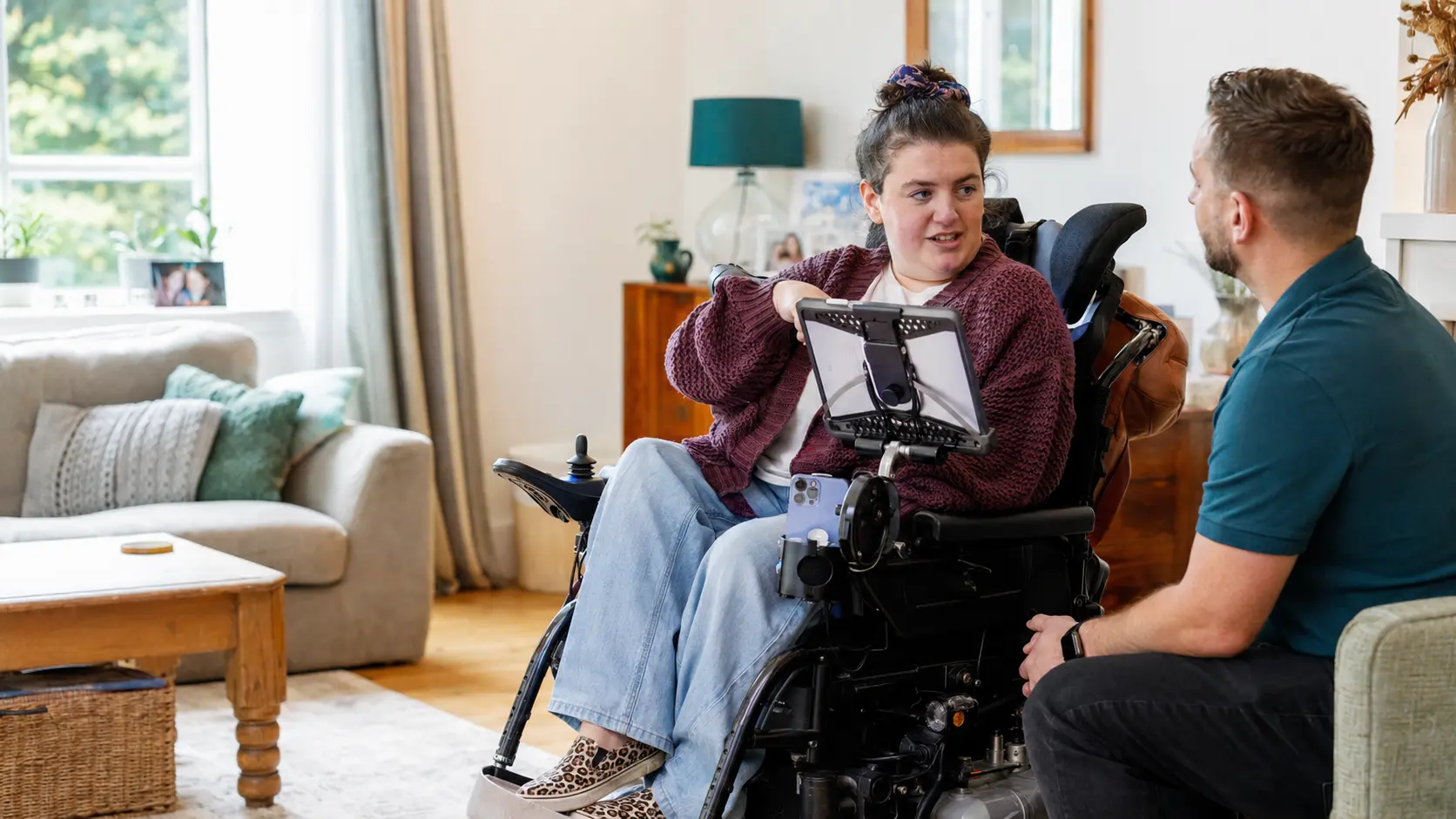
What is complex care?
Complex care supports people whose needs may require specialist competence, closer monitoring or clinical involvement. It depends on the right workers, dependable staffing and clear communication between the person, family, care provider and professionals.
Two people with the same diagnosis may need very different support. We assess the actual individual rather than relying on a condition label.
The whole person
We learn how the person communicates, what independence means to them and how care can support relationships, interests and ambitions.
How our complex-care team may help
Not every intervention applies to every package. Exact responsibilities are agreed before care starts.
Respectful support with washing, dressing, continence, oral care, positioning and established routines.
Prompts, assistance or administration where assessed and authorised, with digital records and escalation plans.
Transfers, hoists, slings, wheelchairs, specialist seating and positioning under current professional guidance.
Meals, drinks, prescribed dietary guidance and enteral support only where assessed, authorised and within scope.
Recognising the person’s baseline, recording changes and escalating deterioration through the agreed route.
Appointments, relationships, education, work, interests, travel and everyday activity shaped around the person.
Assessment and mobilisation
Complex care should not begin from a generic task list. The plan must define responsibilities, professional guidance, equipment, medicines, staff competence and what should happen when something changes.
If essential information, equipment, training or clinical arrangements are incomplete, we explain what needs resolving rather than accept an unsafe start.
Specialist interventions
Observation, safety measures and rescue medication only under an individual protocol with required training and competency.
Specifically assessed support may be considered where instructions, authorisation, oversight, training and regulated scope are confirmed.
Feeding and enteral medication require an individual plan, equipment guidance, infection control and demonstrated competence.
Exact care tasks, observation, hygiene and escalation responsibilities must be clearly agreed and authorised.
Staff follow prescribed positioning and equipment plans, observe skin and escalate concerns rather than diagnose or treat independently.
Time-critical, as-required or specialist medicines require clear directions. Care workers do not independently alter treatment.
Training and competency
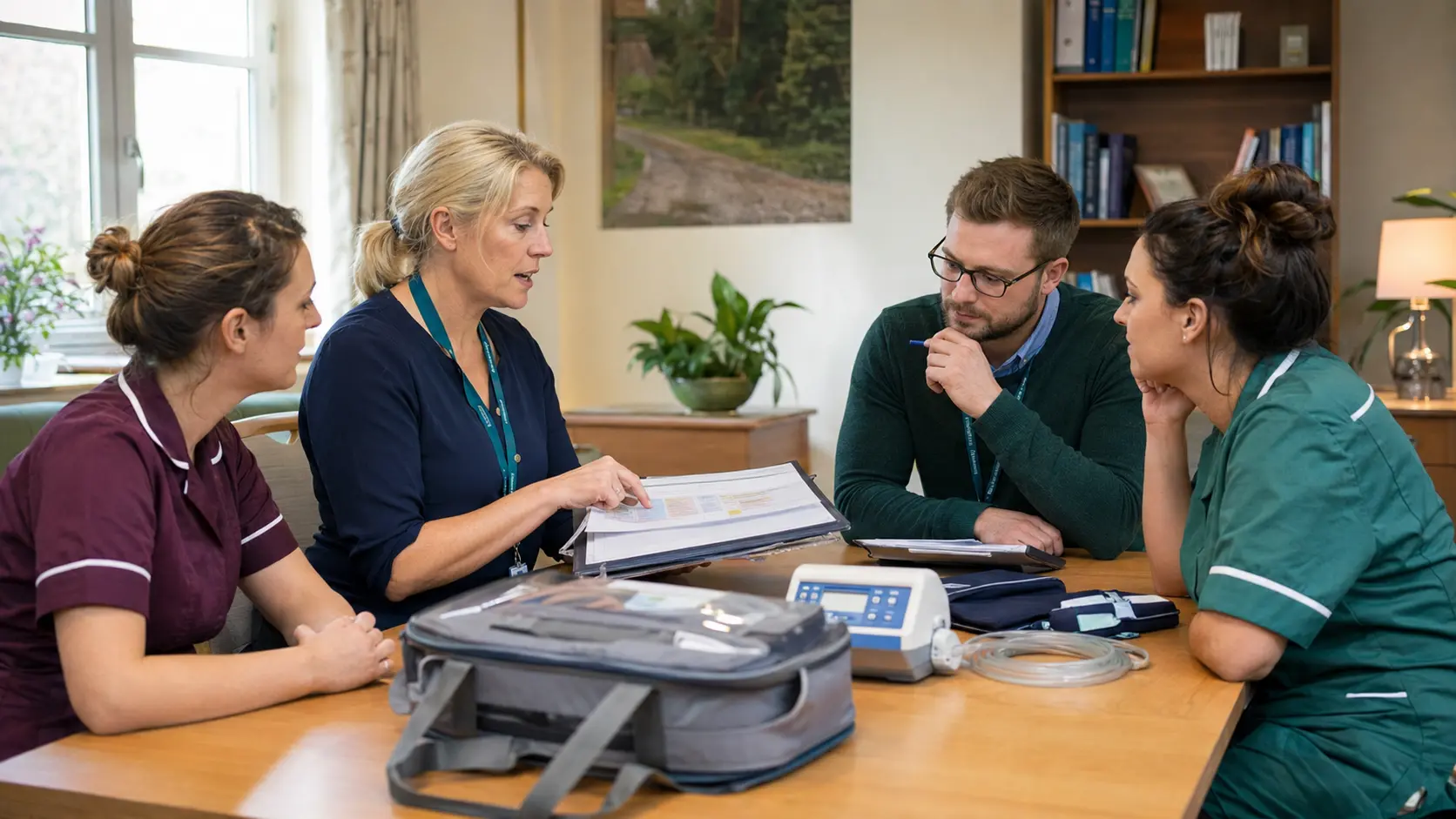
General training is not enough for every complex package. Staff learn the person’s presentation, routines, equipment, risks and professional protocols.
Clinical governance and escalation
Clinical oversight does not replace the responsibilities of GPs, district nurses, consultants or specialist NHS teams. TogetherCare’s role is defined for each accepted package.
In an immediate or life-threatening emergency, call 999 and follow the person’s agreed emergency plan.
Delegation and responsibility
Where a task is delegated by an external registered professional, the delegation arrangement should identify who remains responsible for clinical direction, training, competency, review and responding to change.
TogetherCare does not use a general statement of delegation to cover tasks that have not been individually assessed.
Continuity, families and oversight
Complex routines are safer when workers understand the person’s baseline, communication, equipment and signs of change. We aim for a core team with trained contingency cover.
Records may include personal care, medication, nutrition, seizures, respiratory presentation, interventions, mobility, skin, equipment, community activity and professional contact.
With consent, families and authorised professionals can receive agreed updates while the individual remains central.
Why TogetherCare?
Frequently asked questions
Contact us to discuss the precise intervention, oversight and staffing requirement.
Personalised support for significant, ongoing or specialist health needs that require additional planning, training, monitoring or professional involvement.
People with neurological conditions, brain or spinal injuries, epilepsy, respiratory needs, physical disability, associated learning-disability health needs or other complex conditions.
Potentially, where the task is assessed, authorised, within regulated scope and staff have the required training and competency.
Yes, where an individual protocol, emergency arrangements and required training are in place. Rescue medication requires specific authorisation and competency.
It may include assessment review, training, competency, medication oversight, audit and escalation within an agreed professional role. External clinical teams retain their own responsibilities.
Through package-specific training, supervised practice, formal competency checks and review when needs or procedures change.
Yes, subject to assessment and safe staffing. Arrangements may include extended shifts, waking nights, sleep-ins, double-handed care or continuous rotas.
Yes, where equipment, care plans, professional responsibilities, medication and staff competence can be established before the person returns home.
Funding may be private, local authority, NHS Continuing Healthcare, case-managed, deputy-managed or another agreed arrangement.
St Helens is our main area. Suitable packages in Widnes, Knowsley and Wigan can also be considered.
Arrange a complex-care assessment
Tell us the required hours, specialist interventions, current professional plans, equipment, risks, outcomes and intended start date.
Illustration created for TogetherCare and may not always show actual staff and service users.
Published CQC assessment 2026
“People with highly complex needs received exceptionally personalised care from staff and leaders.”CQC assessment, 2026
“I think the care overall is fantastic. I cannot fault them.”Person receiving support, feedback recorded by CQC
“Partnership working was a clear strength of the service.”CQC assessment, 2026. Professionals described TogetherCare as a “trusted provider”.