
“The provider had a proactive and positive culture of safety, based on openness and honesty.”CQC assessment, 2026
Quality, safety and governance
Good care needs warmth, clear standards and accountable leadership
TogetherCare combines personal relationships with structured assessment, trained staff, digital records, management oversight and open learning. This page explains how those parts work together.

Quality is an everyday responsibilityFrom the first assessment through to records, supervision, audit and review.
CQC rated GoodCurrent published overall rating
24/7 senior supportManagement advice and escalation available
Digital care recordsDelivery and changes can be reviewed
Open learningConcerns and incidents lead to action
What CQC found in practice
Independent evidence behind our quality systems
The assessment recognised an open safety culture, visible leadership and strong partnership working.
“Leaders were visible, knowledgeable and committed to achieving positive outcomes for people.”CQC assessment, 2026
“Partnership working was a clear strength of the service.”CQC assessment, 2026
OverallGood
“The service is proactively addressing issues, demonstrating a strong focus on reflection and a lessons learned approach to continuous improvement.”Professional feedback recorded by CQC
Accountability close to the service
Family-run does not mean informal
TogetherCare was built from first-hand family experience, but safe care depends on more than good intentions. Responsibility sits with identifiable leaders who remain close to the people receiving support, the workforce and the day-to-day evidence of care delivery.
Our registered manager, care managers, quality leads, medication lead, nursing professionals, coordinators and senior care staff each have defined responsibilities. Information is escalated through a clear structure, with senior support available outside normal office hours.
We aim to be approachable when something is unclear, honest when improvement is needed and disciplined about following agreed actions through.
Leadership responsibilities include
- Safe assessment and package acceptance
- Care planning, risk assessment and review
- Recruitment, induction and staff deployment
- Training, supervision and competency
- Medication, safeguarding and incident oversight
- Quality audits and improvement actions
- Communication with families and professionals
- Business continuity and on-call arrangements
How safety is built into care
Eight connected parts of everyday governance
No single policy or audit makes a service safe. Quality comes from how information, people and decisions work together.
Safe Acceptance
Needs, risks, outcomes, environment, medication, equipment, staffing and professional input are considered before a package is agreed.
Clear Care and Risk Plans
Plans describe what good support looks like, how risks should be managed, what must be recorded and when concerns must be escalated.
Recruitment and Suitability
Identity, employment history, references, right to work, DBS checks and role suitability are considered before staff work unsupervised.
Training and Competency
Core training is supported by package-specific instruction, observation and competency assessment where the individual’s needs require it.
Evidence of Delivery
Digital care and medication records give managers timely information about visits, tasks, observations, changes and missed or declined support.
Audit and Oversight
Records, medication, incidents, complaints, staff practice and service performance are reviewed so that concerns are identified and acted upon.
Incidents and Improvement
Immediate safety is addressed first, followed by reporting, investigation, communication, learning and checks that actions have made a difference.
Feedback and Speaking Up
People receiving care, relatives, staff and professionals should be able to raise concerns without fear that their care or working relationship will suffer.
Safeguarding is everyone’s responsibility
Recognise, respond, record and report
Staff are expected to act when they see or suspect abuse, neglect, exploitation, avoidable harm or unsafe practice. Immediate protection comes first, followed by clear reporting and cooperation with safeguarding partners.
Listen and reassureTake concerns seriously and avoid promises of secrecy
Protect from immediate harmContact emergency services when required
Report promptlyUse internal and statutory safeguarding routes
Preserve evidenceRecord facts accurately and support enquiries
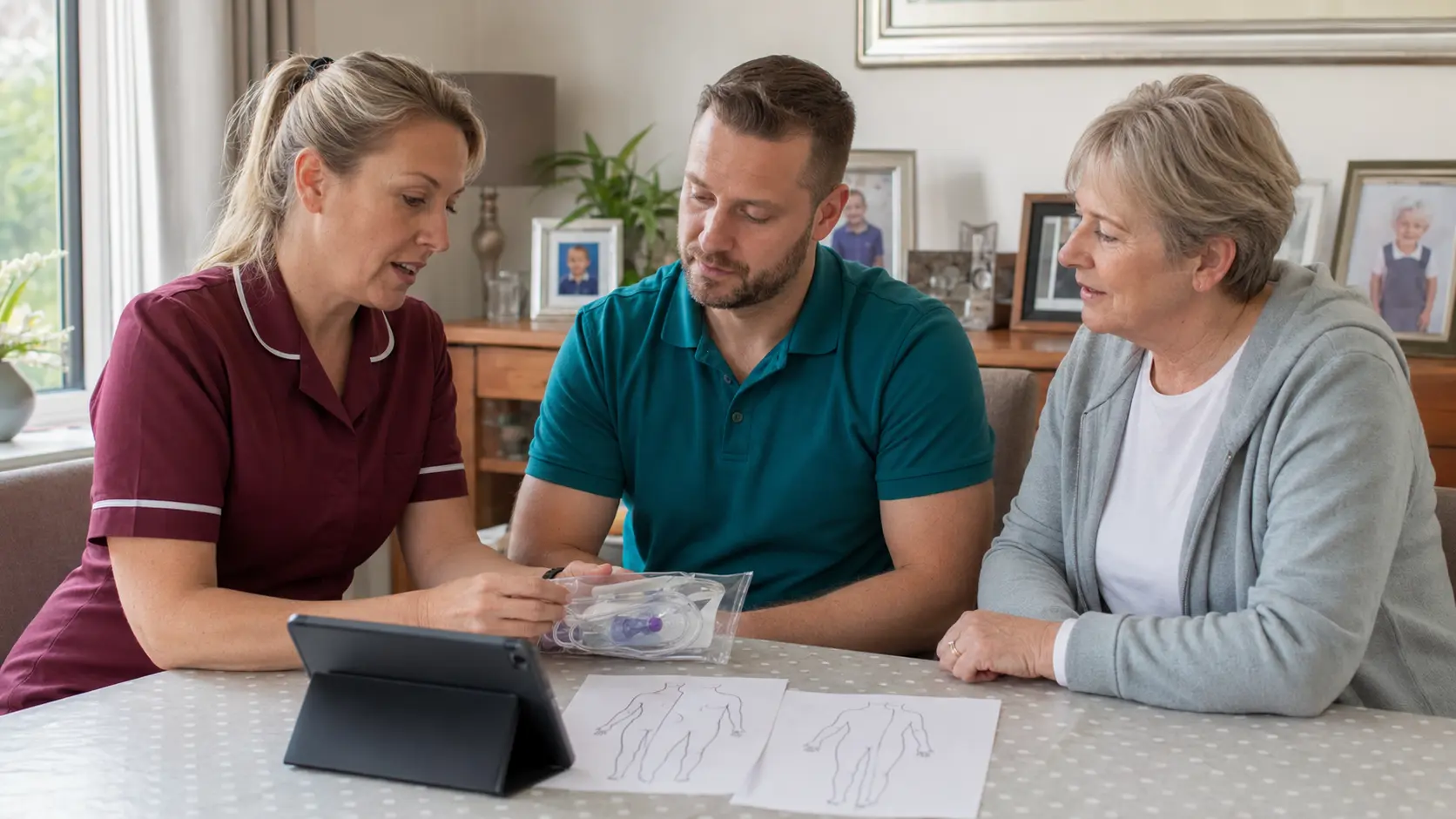
Medication and clinically informed support
Responsibilities must be clear before care begins
Medication support is based on assessment, consent, accurate instructions, trained staff, suitable records and clear escalation. Audits and observations help identify omissions, recording concerns, stock issues or changes that need follow-up.
TogetherCare employs nursing expertise to strengthen assessment, staff competency, clinical advice, review and multidisciplinary working. Any treatment-related activity is considered against the person’s needs, professional direction, staff competency and TogetherCare’s approved regulated scope at the time it is delivered.
A continuous quality cycle
Information should lead to action, not sit in a report
Observe and Measure
Care records, medication, punctuality, incidents, complaints, feedback and staff practice provide evidence about how the service is working.
Review and Understand
Managers look for immediate risks, patterns, repeat concerns, gaps in planning and factors that may have contributed.
Act and Communicate
Actions can include revised plans, supervision, training, professional escalation, staffing changes, apology or wider service improvement.
Check the Difference
Follow-up confirms whether the action was completed and whether it improved safety, experience or reliability.
Openness when something goes wrong
Concerns should be heard and answered properly
We encourage people to speak first with the local team where they feel comfortable doing so. A concern can also be raised formally through our complaints process. Complaints are acknowledged, investigated and answered, with learning shared appropriately.
Where the duty of candour applies, the relevant person should be told what happened, receive an apology and be kept informed about the response. An apology is part of being open and does not prevent a proper investigation.
Ways to raise a concern
- Speak to a care worker, senior or coordinator
- Call the office on 01744 415 415
- Email [email protected]
- Use the enquiry form on our contact page
- Ask a representative or advocate to contact us
- Contact the relevant commissioner or regulator
Published evidence and information
Read the source information directly
We provide plain-English summaries here, while retaining direct access to the documents and independent information behind them.
CQC Profile
View TogetherCare’s current registration information, published inspection material and overall rating.
View CQC profilePolicies Hub
Access public policies, service-user information, our Statement of Purpose and controlled staff documents.
Open policies hubOutcomes and Case Studies
See anonymised examples of how responsive, coordinated support has made a practical difference.
See outcomesAsk us about quality
We are happy to explain how a proposed care package would be governed
Families, commissioners and professionals can ask about assessment, staffing, records, competency, review, escalation and contingency before making a decision.
Illustration created for TogetherCare and may not always show actual staff and service users.