
People experienced greater stability and avoided unnecessary health crises through a proactive, person-led approach.CQC assessment finding, 2026
Outcomes and case studies
What changes matters more than what we promise
Care should make a meaningful difference to safety, confidence, independence, comfort or connection. These anonymised examples show how TogetherCare has worked with individuals, families and professionals towards outcomes that mattered in real life.
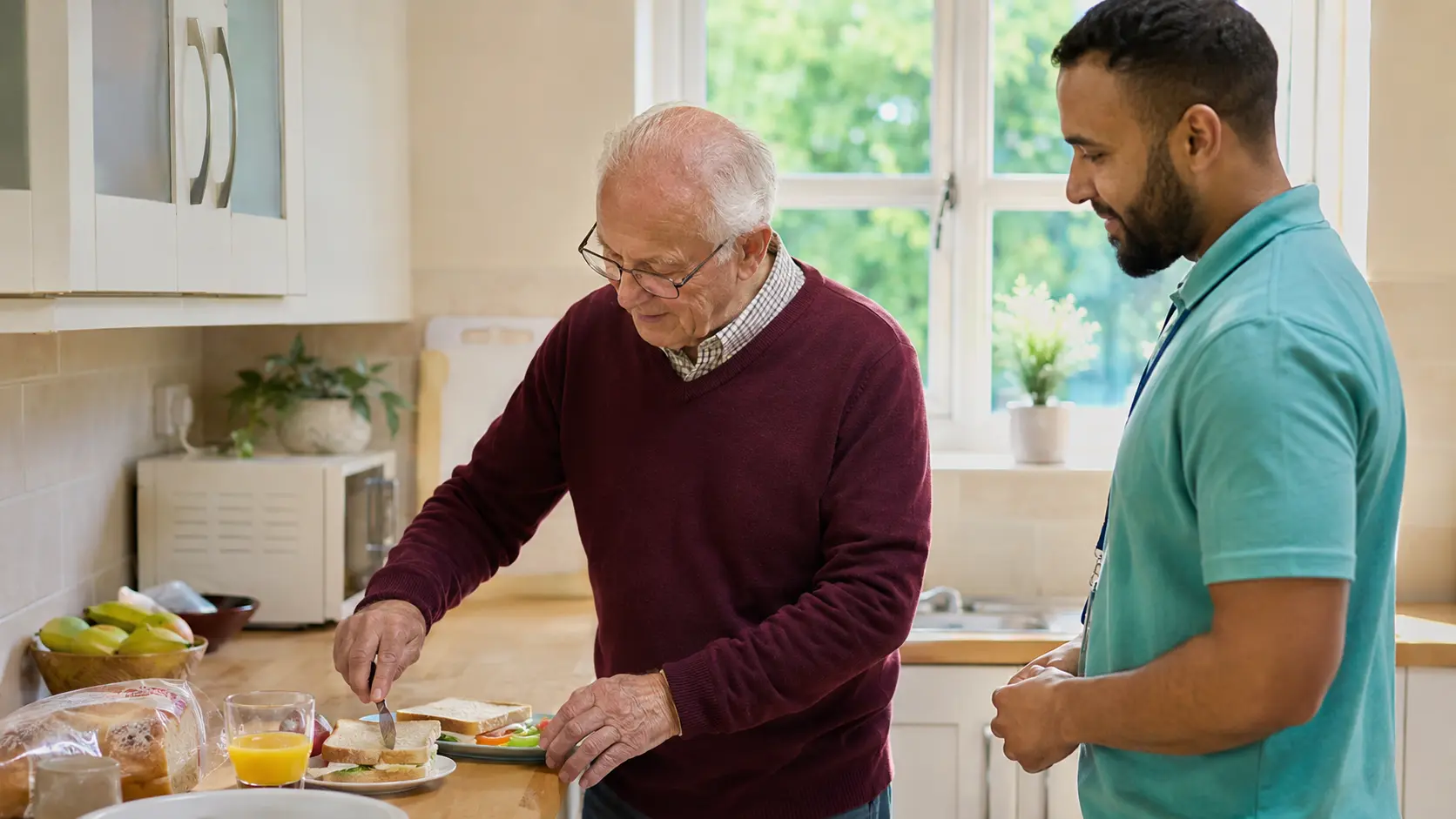
Person-led outcomesProgress is defined with the person, reviewed honestly and adapted when circumstances change.
DignitySupport that respects identity and choice
IndependenceDoing with, rather than taking over
ConfidenceConsistent support that helps rebuild trust
PartnershipClear communication around shared goals
Outcome-focused care
The care plan should describe a life, not simply a list of tasks
Tasks still matter. Medication, personal care, nutrition, mobility and accurate records all need to be delivered reliably. However, they should connect to a wider purpose identified with the individual and the people important to them.
An outcome may be returning home, avoiding an unnecessary move, rebuilding a daily skill, feeling safer at night, remaining connected to family or being comfortable and dignified at the end of life. Small changes can be just as important as major milestones.
Good outcomes should be
- Meaningful to the individual
- Specific enough to review
- Realistic within the agreed support
- Respectful of choice and positive risk-taking
- Shared with relevant people, with consent
- Adjusted when needs or priorities change
Person-centred care assessed as Outstanding
Care shaped around the person produced meaningful change
CQC recognised exceptionally personalised support for people with highly complex needs, including bespoke training, strong advocacy and coordinated work with families and health professionals.
CQC quality statementOutstanding
“I have improved so much under [their] care that I want to now go back out in the community.”Person receiving support, feedback recorded by CQC
“In the case of a complex care package there has been significant improvement in the [young person's] quality of life and he has developed trusting relationships with his care team.”Professional feedback recorded by CQC
Professionals described proactive support that helped people continue living at home with greater independence and choice.CQC assessment finding, 2026
Care in practice
Anonymised examples based on genuine feedback
Personal details have been withheld. The examples describe the broad context, TogetherCare’s contribution and the outcome reported, without presenting one person’s experience as a guarantee for another.
“We struck gold when your company became the provider at Heyeswood. You enabled my dad to return home and supported him with dignity in his final days.”CB, daughter of an Extra Care tenant
Extra Care and end-of-life support
Returning home with care close by
- What mattered
- The person and his family wanted him to return to his own Extra Care apartment, remain close to familiar surroundings and receive dignified support as his needs changed.
- TogetherCare’s role
- The team worked around the agreed care arrangements, maintained communication with those involved and provided practical, personal and emotional support within the person’s home.
- Outcome reported
- He was able to return home and remain there during his final days, while his family felt supported and recognised the dignity shown by the care team.
“She is now stepping again, making progress in physiotherapy and rebuilding her confidence. Your team’s support has been instrumental.”AK, health and social care referrer
Reablement and confidence
Supporting progress alongside physiotherapy
- What mattered
- The person was working towards improved movement, confidence and participation in everyday life following a difficult period.
- TogetherCare’s role
- Care staff provided consistent day-to-day support, followed the agreed approach, encouraged participation without taking over and communicated with the wider professionals involved.
- Outcome reported
- The person began stepping again, progressed with physiotherapy and rebuilt confidence. The referrer described TogetherCare’s support as instrumental to that progress.
“Your staff have been amazing with our service user. She always keeps us in the loop and works in full partnership with our team.”JM, specialist palliative care nurse
Professional partnership
Keeping the wider team informed
- What mattered
- The person needed compassionate support alongside specialist professional involvement, with changes and concerns communicated clearly.
- TogetherCare’s role
- The care team maintained regular contact, shared relevant updates through the agreed channels and worked alongside the specialist service rather than in isolation.
- Outcome reported
- The specialist nurse described the partnership positively and reported that the person also spoke highly of the support received.
How we evidence progress
Good intentions need records, review and honest learning
Outcomes are supported by daily records, medication information, reviews, feedback, incident learning and communication with the person and relevant professionals. Evidence should identify both progress and areas where the plan needs to change.
Personal goalsWhat the individual wants to maintain or achieve
Delivery evidenceVisits, notes, medication and agreed actions
ReviewChanges in need, risk, confidence or independence
LearningFeedback, incidents, complaints and improvements
The areas we look at
Quality is broader than completing a scheduled visit
Different services need different measures. We select evidence that reflects the individual, the care plan, professional expectations and the purpose of the package.
Consistency and attendance
Whether agreed care is delivered, communication is timely and a suitable core team becomes familiar with the person.
Risks and deterioration
Whether risks are understood, changes are recognised, concerns are escalated and preventative actions are followed.
Skills and participation
Whether the person is supported to retain or develop abilities rather than becoming unnecessarily dependent on care.
Confidence and connection
Changes in reassurance, daily routine, community participation, relationships and the person’s sense of control.
Voice and feedback
What the individual, family, advocate and involved professionals say about communication, respect and delivery.
Review and improvement
Whether records, audits, incidents, complaints and lessons lead to practical changes rather than sitting in isolation.
The person remains central
Progress is not imposed on somebody
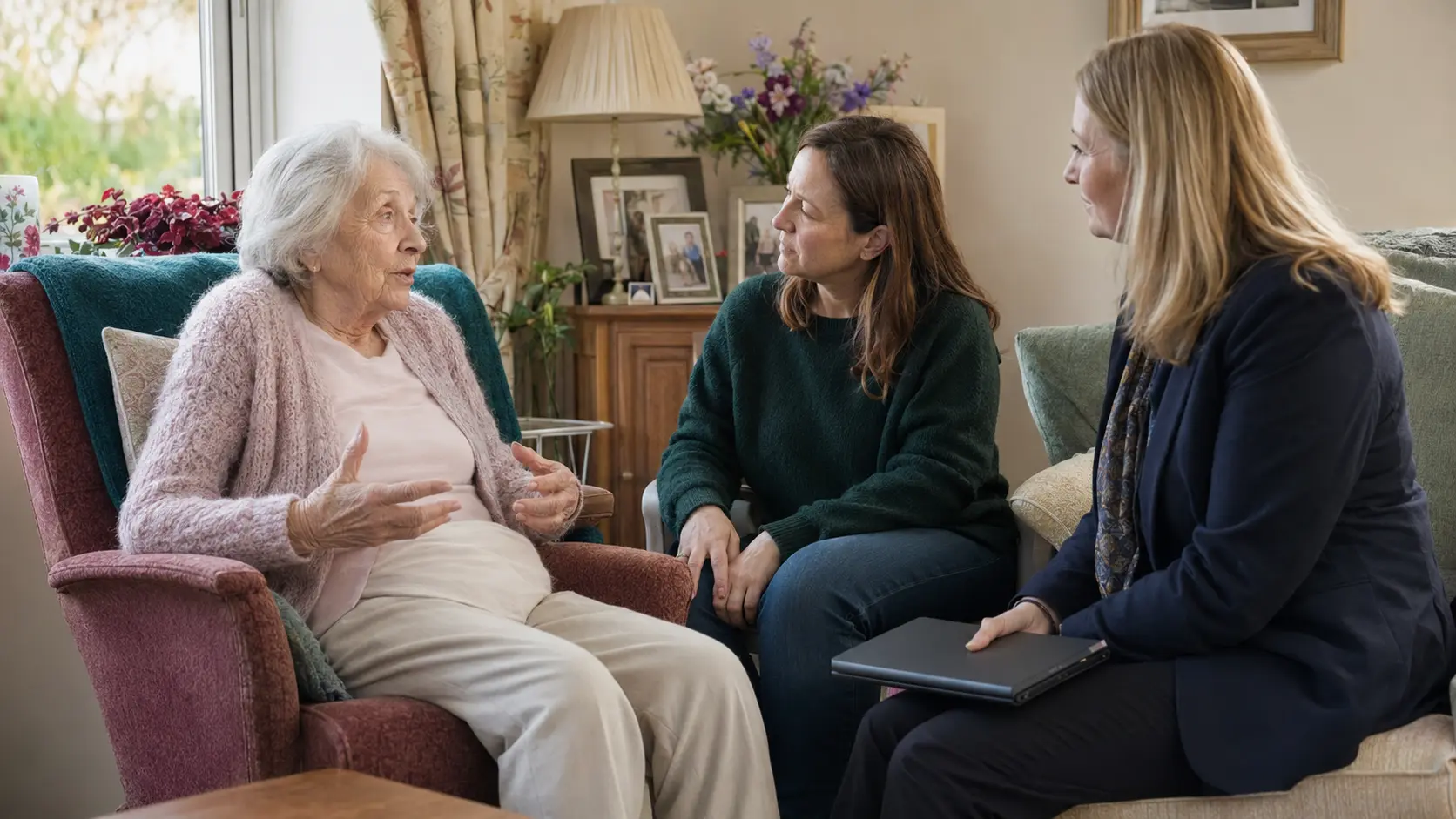
Professionals may bring clinical knowledge, statutory responsibilities or rehabilitation goals. Families may understand the person’s history and daily preferences. Care staff see what happens between formal appointments. Each perspective is useful, but the person’s rights, communication, wishes and consent remain central.
Where a person may lack capacity for a specific decision, the correct decision-making process must be followed, including consultation, best-interest considerations and the least restrictive available option.
Share your experience
Feedback helps us recognise good care and address what needs to improve
We welcome compliments, suggestions, concerns and complaints from people using the service, relatives, advocates and professional partners. Raising a concern should not adversely affect the care somebody receives.
Everyday feedback
Speak to the care team or office about what is working well, what has changed or what would make the support more effective.
Contact TogetherCareComplaint or concern
Use the published process when an issue needs formal acknowledgement, investigation, response or escalation.
Read the complaints policyDiscuss a care requirement
Talk to our team about the outcome required, current barriers and what a safe care package may need to include.
Visit professional referralsAbout these examples: Details are anonymised and based on feedback already received by TogetherCare. Individual outcomes depend on health, circumstances, personal choices, the agreed care plan and the involvement of other services.
What outcome matters now?
Tell us what needs to become safer, easier or more achievable
We will listen, identify the information needed and explain honestly whether TogetherCare may be able to help.