
Personal care
Respectful support with washing, dressing, grooming, oral care, toileting, continence, specialist garments and morning or bedtime routines.
Spinal injury care at home in St Helens
Personalised care built around the individual’s abilities, routines, clinical guidance and goals—at home and in the community.
Every package is individually assessed. Specialist tasks are accepted only where responsibilities, training, competence, clinical guidance and regulated scope are clear.
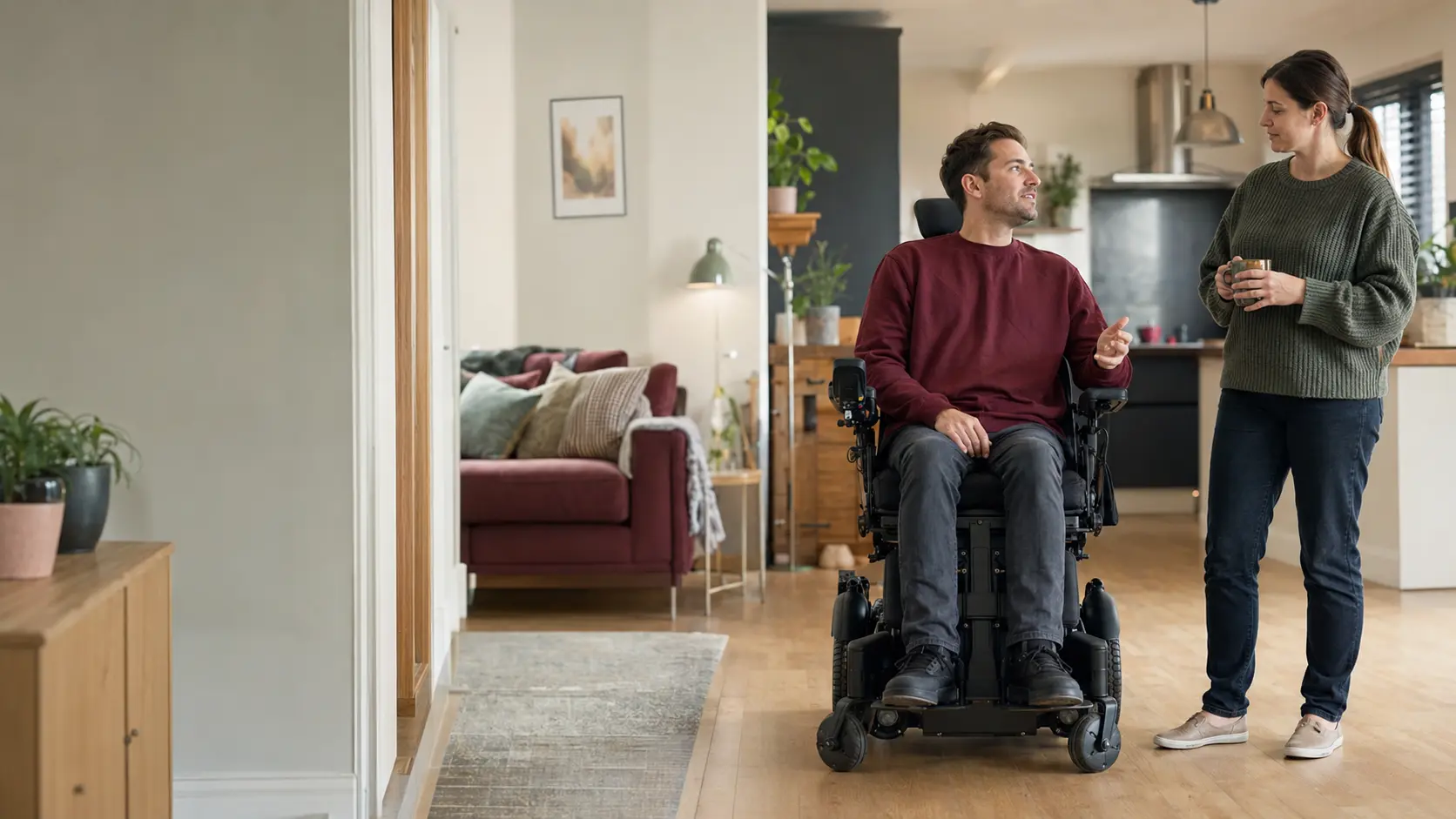
Care shaped around one person
A spinal injury can affect mobility, sensation, continence, breathing, skin integrity and everyday routines. It can also change how someone accesses work, relationships, their home and community.
Two people with apparently similar injuries may have very different abilities and support needs. TogetherCare begins by listening to the person, understanding their established techniques and agreeing how care can safely support the life they want to lead.
Detailed assessment
Before support begins, we bring together practical, clinical and personal information. The result is a clear care plan that reflects both safe delivery and the person’s preferred way of living.
Everyday specialist support
The person may require physical support while remaining fully able to direct their care and make their own decisions.
Respectful support with washing, dressing, grooming, oral care, toileting, continence, specialist garments and morning or bedtime routines.
Following the current professional plan for hoist, slide-board, bed, wheelchair, toilet, standing-equipment or vehicle transfers.
Safe use of agreed wheelchairs, slings, profiling beds, specialist seating, pressure-relieving equipment and assistive technology.
Prompts, assistance or administration where assessed and authorised, using digital records and clear escalation arrangements.
Meals, drinks, shopping, dietary guidance, safe positioning and monitoring where included in the care plan.
Support with accessible travel, work, education, family life, appointments, exercise, social activities and holidays.
Safety-critical routines
Spinal injury care can involve detailed routines where small changes matter. Staff work to the individual plan, record accurately and report concerns. They do not improvise techniques, alter clinical instructions or independently diagnose and treat complications.
Explore the Spinal Injuries Association knowledge hubSpecific health considerations
Following prescribed repositioning, seating and pressure-relief plans; observing visible skin during care; and escalating redness, discolouration, heat, swelling or broken skin. Staff do not diagnose pressure damage.
Agreed hygiene, drainage-bag, tubing, output and fluid routines. Leakage, pain, reduced drainage, blockage or possible infection is reported through the professional plan.
Privacy, positioning, preparation, records and established routines. Specialist or invasive interventions require assessment, authorisation, training, competence and confirmation they fall within regulated scope.
A potentially life-threatening emergency for some people with higher spinal injuries. At-risk packages require an individual protocol covering presentation, triggers, immediate action and when to call emergency services.
Positioning, observation and any specifically assessed interventions only where professional instructions, authorisation, training, competence, oversight and regulated scope are confirmed.
Prescribed medication, careful positioning, unrushed transfers and agreed routines. New, sudden or uncontrolled symptoms are recorded and escalated for appropriate clinical review.
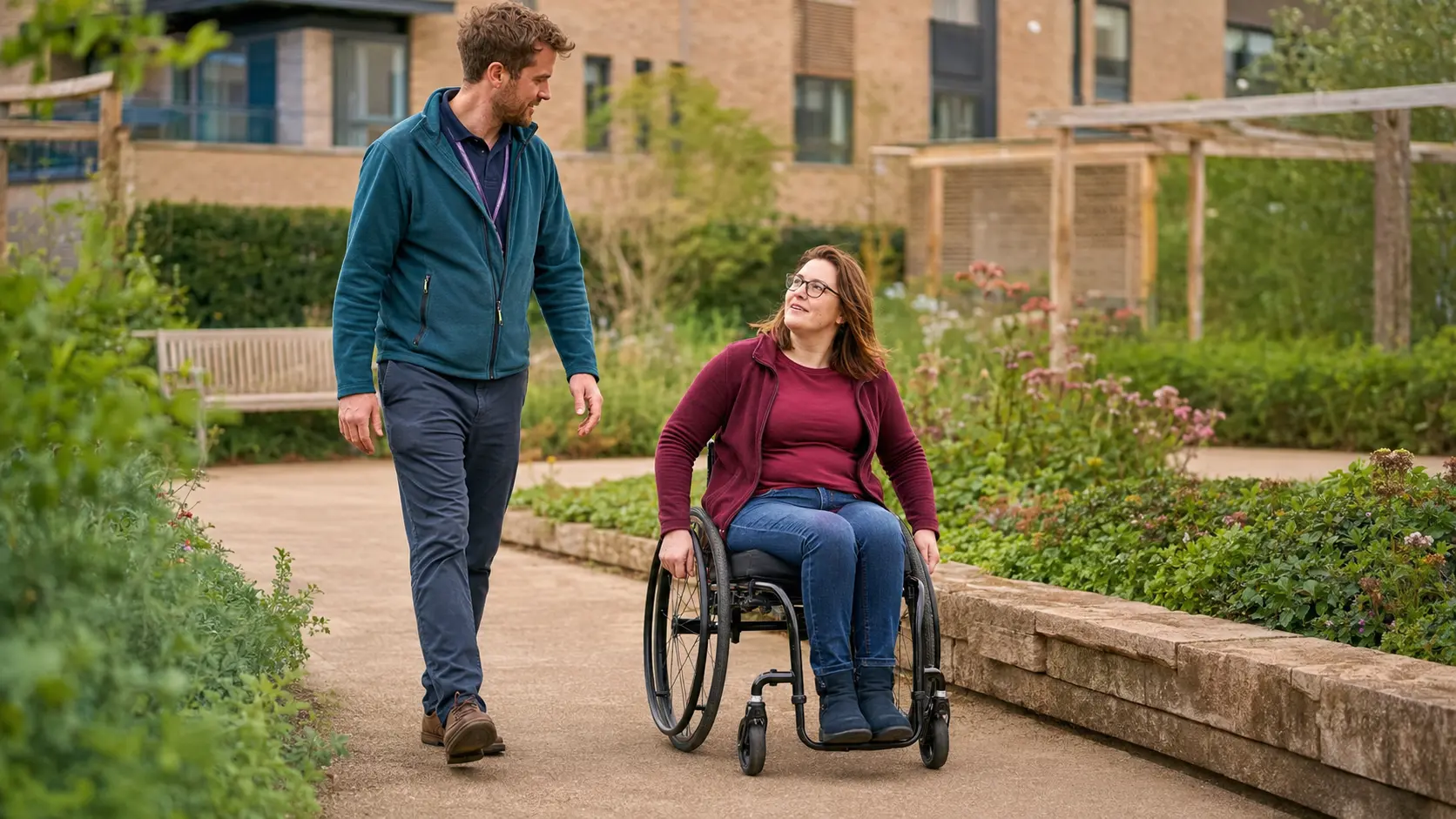
Independence in everyday life
Good specialist care recognises the person as the expert in their own life. Staff communicate directly with the individual, respect their personal space and support positive, proportionate risk-taking.
Hospital and rehabilitation discharge
New equipment, care techniques and staffing arrangements may need to be established before discharge. We will explain honestly if something essential remains outstanding rather than agree to an unsafe start simply to meet a target date.
Case-managed and complex packages
TogetherCare can work with case managers, solicitors, deputies, funding representatives and the multidisciplinary team. Reporting arrangements are agreed at mobilisation and should provide useful information about outcomes, risks, health changes and delivery.
Day, night and continuous care
Staff do not work independently until required training, shadowing and competency checks are complete. We aim to establish a familiar core team, supported by trained contingency workers.
No provider can guarantee the same worker for every shift, but unnecessary changes should be minimised and essential routines understood across the team.
Why TogetherCare
We are a family-run provider based in St Helens, supporting people with physical disabilities, neurological needs and complex care packages.
Frequently asked questions
Call our local team if you would like to discuss a particular task, discharge or staffing arrangement.
Support may include personal care, transfers, mobility, pressure care, medication, catheter and continence routines, meals, community access, overnight care and agreed specialist interventions.
We can consider catheter support following assessment. Exact responsibilities depend on the individual plan, professional guidance, staff training, competence and regulated scope.
Potentially, where the routine is professionally assessed and documented and staff have the required training and competency. Specialist interventions must fall within the service’s authorised regulated scope.
Where someone is known to be at risk, staff receive package-specific instruction and follow that person’s emergency protocol. Emergency assistance is sought where the plan indicates.
Yes. Care workers can follow prescribed repositioning, pressure-relief and skin-observation plans, escalating concerns to the appropriate professional.
Yes, where staff have been trained and assessed as competent in the person’s current moving-and-handling plan, hoist, sling and transfer method.
We can assess the requested package. Acceptance depends on the precise interventions, clinical instructions and oversight, regulated scope, staff training and competency.
Subject to assessment and staffing, this may include extended shifts, waking nights, sleep-ins, double-handed support or a continuous rota.
Potentially. Larger specialist packages may require targeted recruitment, matching, training and a planned mobilisation period.
Yes. We can work within a case-managed arrangement, attend multidisciplinary reviews and produce agreed progress and outcome reports.
Yes. We can work with the discharge and rehabilitation team to plan staffing, equipment, training, medication and contingency arrangements before the person returns home.
St Helens is our principal area. We can also consider suitable packages in Widnes, Knowsley and Wigan where safe and sustainable staffing is available.
Arrange an assessment
Referrals are welcome from individuals, families, social workers, NHS professionals, spinal injury services, case managers, solicitors, deputies and Continuing Healthcare teams.
Illustration created for TogetherCare and may not always show actual staff and service users.
Published CQC assessment 2026
“People with highly complex needs received exceptionally personalised care from staff and leaders.”CQC assessment, 2026
“I think the care overall is fantastic. I cannot fault them.”Person receiving support, feedback recorded by CQC
“Partnership working was a clear strength of the service.”CQC assessment, 2026. Professionals described TogetherCare as a “trusted provider”.